Understanding LGBT Counselling Resources: Supporting Your Quest to Well-Being
Compassionate LGBT support initiatives function as a essential component in advancing mental health and personal advancement within the group. These offerings provide a protected setting for people to investigate connected information their identities and address social pressures. By applying adapted counseling strategies, patients can cultivate strength and acceptance of self. Comprehending the effect of these offerings prompts vital concerns about their success and the transformative journeys they can present. What shifts might lie ahead for those who seek this aid?
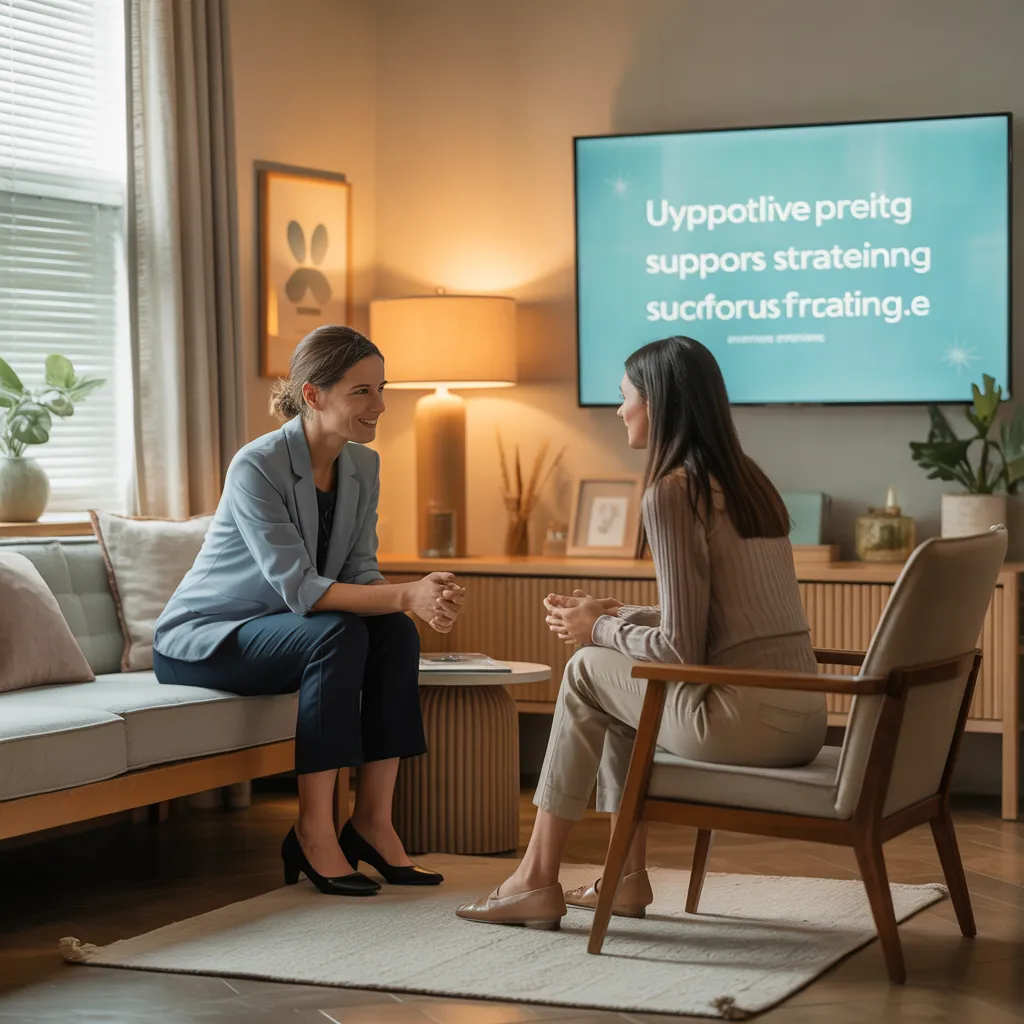
Why LGBTQ Therapy Matters
LGBT counselling functions as an essential tool in addressing the unique difficulties faced by people within the group. It provides a safe and supportive environment where individuals can examine their sense of self, emotions, and encounters without worry about criticism. These services are designed to validate diverse sexual orientations and gender identities, fostering a sense of belonging and understanding.
Counsellors trained in LGBT matters utilize culturally sensitive practices to better understand the subtleties of clients' lives. This tailored method not only enhances mental health but also enables individuals to navigate social demands, relationship dynamics, and individual development.
Moreover, LGBT counselling can help create management techniques for stress, anxiety, and depression, which may stem from discrimination or feelings of isolation. By prioritizing mental health, these programs serve as a crucial factor in improving the overall quality of life for LGBT individuals, encouraging resilience and self-acceptance.
Challenges Facing the LGBT Population
Though progress has been made in many sectors, considerable challenges continue to face the LGBT community. Bias remains endemic, impacting various dimensions of life, encompassing work, medical care, and shelter. Numerous individuals encounter discrimination and bias, causing heightened mental health issues. Also, the lack of robust legal safeguards in certain areas worsens these issues, leaving members of the community vulnerable to abuse and mistreatment.
Mental health concerns are particularly evident, as individuals often struggle with internalized homophobia and societal rejection. Social isolation can exacerbate these challenges, as supportive networks may be limited or non-existent. Moreover, access to culturally competent healthcare services is frequently inadequate, leaving many without essential support.
Overcoming these barriers requires strong determination and support, highlighting the necessity for greater consciousness and focused strategies to promote acceptance and inclusivity. Addressing these challenges is vital for the general health and welfare of the LGBT community.
Discover What Your Counselling Session Will Include?
An LGBTQ counseling session includes the initial assessment procedure, which is crucial for understanding the client's distinctive requirements and backgrounds. This foundational stage establishes the foundation for the therapeutic techniques that will be utilized during treatment. Clients can expect a customized strategy that prioritizes their personal situations and goals.
Beginning Assessment Method
The initial evaluation process acts as a important element for fruitful counselling interactions. In this phase, clients are encouraged to convey their worries, experiences, and intentions in a supportive, secure environment. The therapist carries out a thorough review, securing vital information about the client's background, mental health narrative, and current issues. This conversation strives to develop trust and connection, assisting clients to experience they are valued and seen. Moreover, the counsellor may deliberate the client's wishes and desired results from the counselling involvement. By developing a firm grasp of the client's requirements, the initial evaluation creates the platform for individualized support and efficacious treatment, confirming that clients feel capable and empowered on their movement toward health.
Therapeutic Techniques Employed
Counselling appointments feature a range of therapeutic techniques tailored to address each client's individual needs. Approaches such as CBT help clients question and reconstruct harmful thinking habits, promoting healthier perspectives. Narrative therapy encourages individuals to explore and transform their personal stories, strengthening self-identity and personal agency. Additionally, mindfulness practices encourage mood management and awareness of the present, assisting clients in managing anxiety and tension. Support-based methods, including active listening and compassion, create a safe environment for honest communication. Group therapy may also be employed, building community and shared experiences among clients. Each technique is carefully selected to tackle specific challenges faced by LGBT individuals, guaranteeing a thorough and caring approach to their mental health and well-being.
Ways LGBT Support Handles Common Challenges
While traversing a world often fraught with discrimination and misunderstanding, many persons within the LGBT community encounter special emotional and psychological challenges. LGBT support addresses these issues by providing a safe, affirming space where clients can articulate their feelings without fear of judgment. Counselors are trained to grasp the complexities of identity, including coming out, relationship dynamics, and societal pressures.
Using individualized healing approaches, such as CBT and narrative therapy, clients delve into their cognitions and experiences, cultivating fortitude and self-acceptance. The concentration on personal power helps people overcome internalized stigma and external discrimination, promoting healthier psychological strategies.
Additionally, LGBT counselling often incorporates conversations on intersectionality, understanding how various identities overlap, impacting mental health. By addressing these widespread challenges, counselling helps clients in establishing a firmer sense of self and community, ultimately fostering their progression toward fulfillment and achievement.
Choosing the Best LGBT Counselor to Suit Your Preferences
Guiding the journey toward psychological wellness often requires discovering the suitable resources. For individuals within the LGBT community, choosing a counsellor who grasps their particular experiences and obstacles is vital. Key elements include the therapist's certifications, expertise, and understanding with LGBT matters.
Prospective clients should locate experts who possess a foundation in LGBTQ+ matters, guaranteeing they can manage complex feelings and societal pressures effectively. Personal referrals, online reviews, and specialist registries can be helpful references in this search.
Additionally, an first consultation can help gauge compatibility; it provides an opportunity to assess the counsellor’s approach and communication style. Feeling secure and understood is paramount, so clients should trust their instincts regarding the connection formed. Ultimately, the right LGBT counsellor can greatly enhance the therapeutic experience, fostering growth and resilience on the path to well-being.
Success Stories: Transformative Results of LGBT Guidance
LGBT counselling has served as a catalyst for personal advancement, allowing individuals to navigate and embrace their identities. Many have shared experiences of overcoming significant hurdles and finding a sense of community within supportive communities. These tales of triumph reveal the profound impact counselling can have on the lives of LGBTQ+ individuals.
Personal Growth Journeys
Counselling can work as a strong driver for individual growth, particularly among the LGBT community, where individuals often address unique hurdles. Many clients report impressive transformations after participating in supportive therapy. For instance, one individual gathered the strength to embrace fully their identity, causing enhanced confidence and healthier bonds. Another client learned to create boundaries, establishing vital abilities for everyday and professional life. These journeys demonstrate the impact of customized therapeutic methods, prioritizing compassion and respect. By communicating understanding and knowledge, individuals not only build strength but also encourage those facing similar struggles. Such success stories emphasize the importance of compassion in counselling, demonstrating that individual advancement is possible and can lead to a satisfying existence.
Overcoming Personal Challenges
Maneuvering identity obstacles can be an daunting process, yet counselling often provides a life-changing route for many individuals. Clients frequently report notable shifts in their self-view and acceptance through expert support. For instance, one individual learned to accept their identity after grappling with internalized stigma, ultimately finding strength in their uniqueness. Another client, who struggled with familial rejection, discovered coping strategies that promoted resilience and self-love. These success stories highlight the critical role of LGBT counselling in facilitating personal growth and healing. By addressing feelings of isolation and confusion, counselling helps individuals develop a stronger sense of self, paving the way for a fulfilling life rooted in authenticity and acceptance.
Establishing Inclusive Communities
Many people have found that creating supportive communities can greatly enhance their journey towards acceptance and belonging. These communities act as safe spaces where members can share experiences and challenges without fear of judgment. There are numerous success stories that illustrate how collective support encourages resilience and empowerment. For instance, one individual revealed how joining a local LGBT group provided not only friendship but also essential mental health resources. Another participant recalled attending workshops that led to significant personal growth and boosted confidence. Through these shared experiences, individuals often discover a sense of identity and purpose, reinforcing the belief that connection and understanding can change lives. In the end, supportive communities play a key role in promoting well-being within the LGBT population.

Further Tools for LGBT Therapy and Support
While managing the complexities of life, people within the LGBT community often look for additional materials to enhance their therapy experiences. Various organizations provide assistance customized to their distinct needs. Internet-based platforms, such as forums and chat rooms, create a safe space for exchanging experiences and advice. Local LGBT centers regularly organize workshops, support groups, and social events, fostering community connections.
Additionally, educational resources, comprising books and articles, can strengthen knowledge of personal issues and societal challenges. Hotlines managed by trained professionals provide urgent help for those in crisis. In addition, mental health apps specifically designed for the LGBT community can offer stress management approaches and mindfulness exercises.
Frequently Frequently Asked Questions
What Indicators Suggest I Need Professional Counseling?
Individuals may need therapy if they experience ongoing emotions of sadness, anxiety, or confusion, have difficulty in relationships, or face major transitions. Recognizing these indicators can assist in establishing the necessity of seeking professional support.
Is LGBT Counselling Different From Traditional Therapy?
LGBT counselling often addresses specific cultural, identity, and community-related issues that traditional counselling may overlook. It establishes a secure, supportive space for people to examine their experiences, fostering comprehension and self-development specific to their sense of self.
What Requirements Should I Seek in a Counsellor?
When choosing a counsellor, it is important to emphasize qualifications including appropriate educational background, licensure, specialized training in LGBT issues, experience in the field, and a demonstrated commitment to comprehending diverse sexual and gender identities.
Is Virtual Counselling Offered for Me?
Yes, online counselling sessions are accessible. Many experts offer virtual appointments, offering adaptability and accessibility. It's critical for clients to verify that their preferred therapist is trained and experienced in delivering successful virtual guidance.
How Private Is LGBT Therapy?
LGBT counselling services emphasize confidentiality, guaranteeing that clients' identities and discussions remain confidential. Professionals follow professional standards, protecting personal information while fostering a secure space for honest communication and support throughout the counselling process.